A simplified illustration. Your material and design determine the production steps.
Choose the patch for the artwork
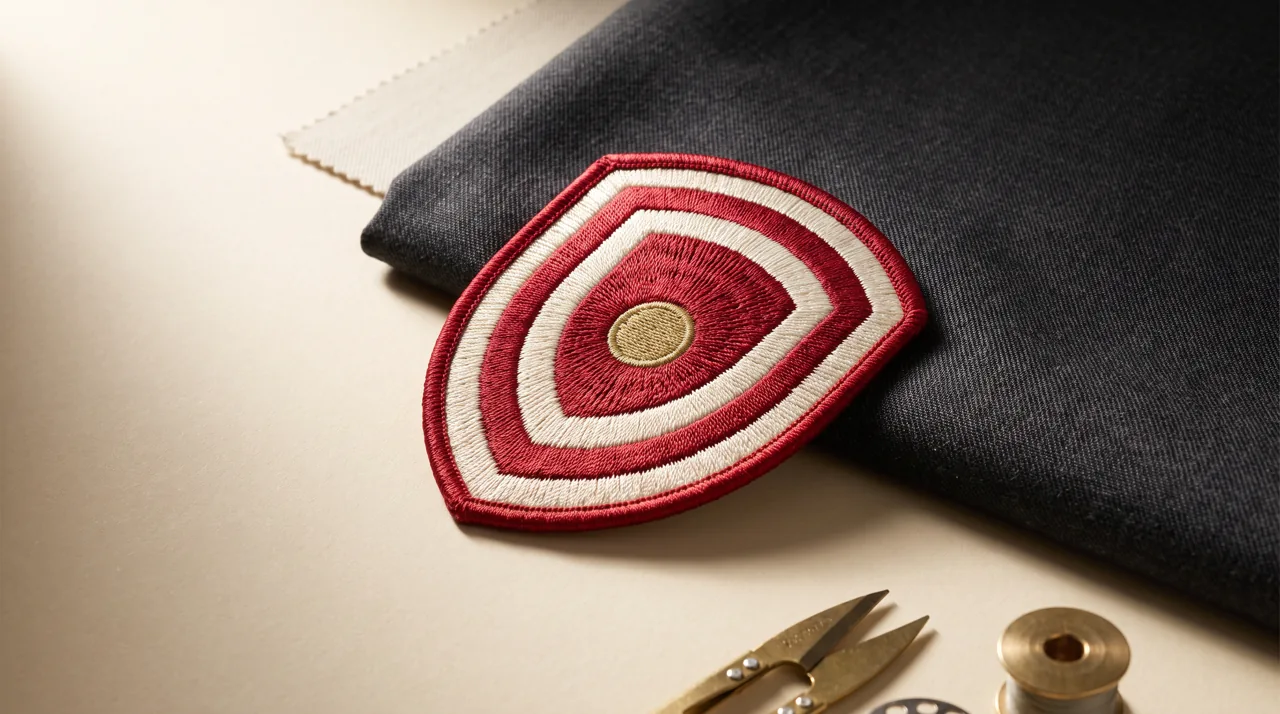
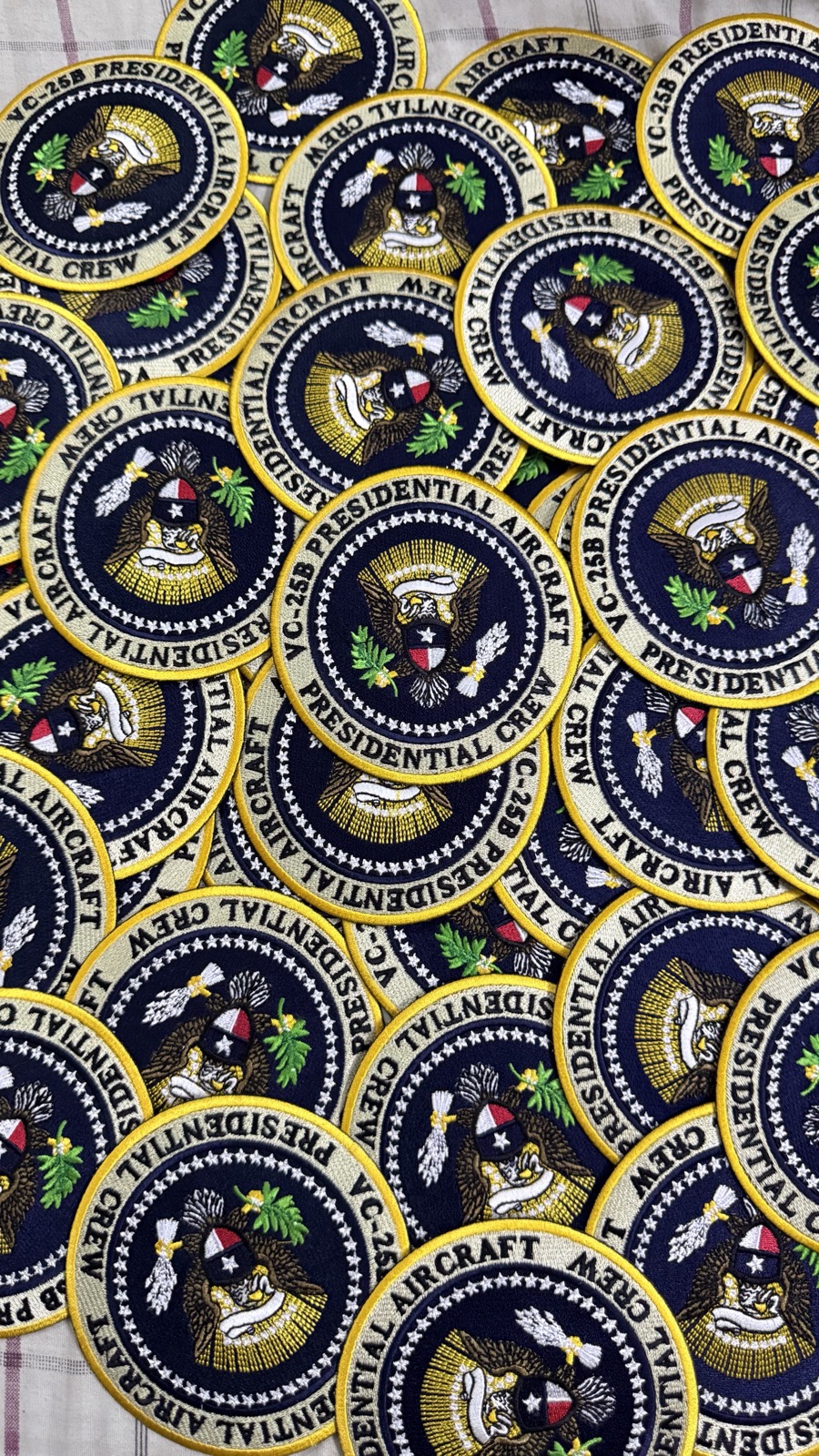
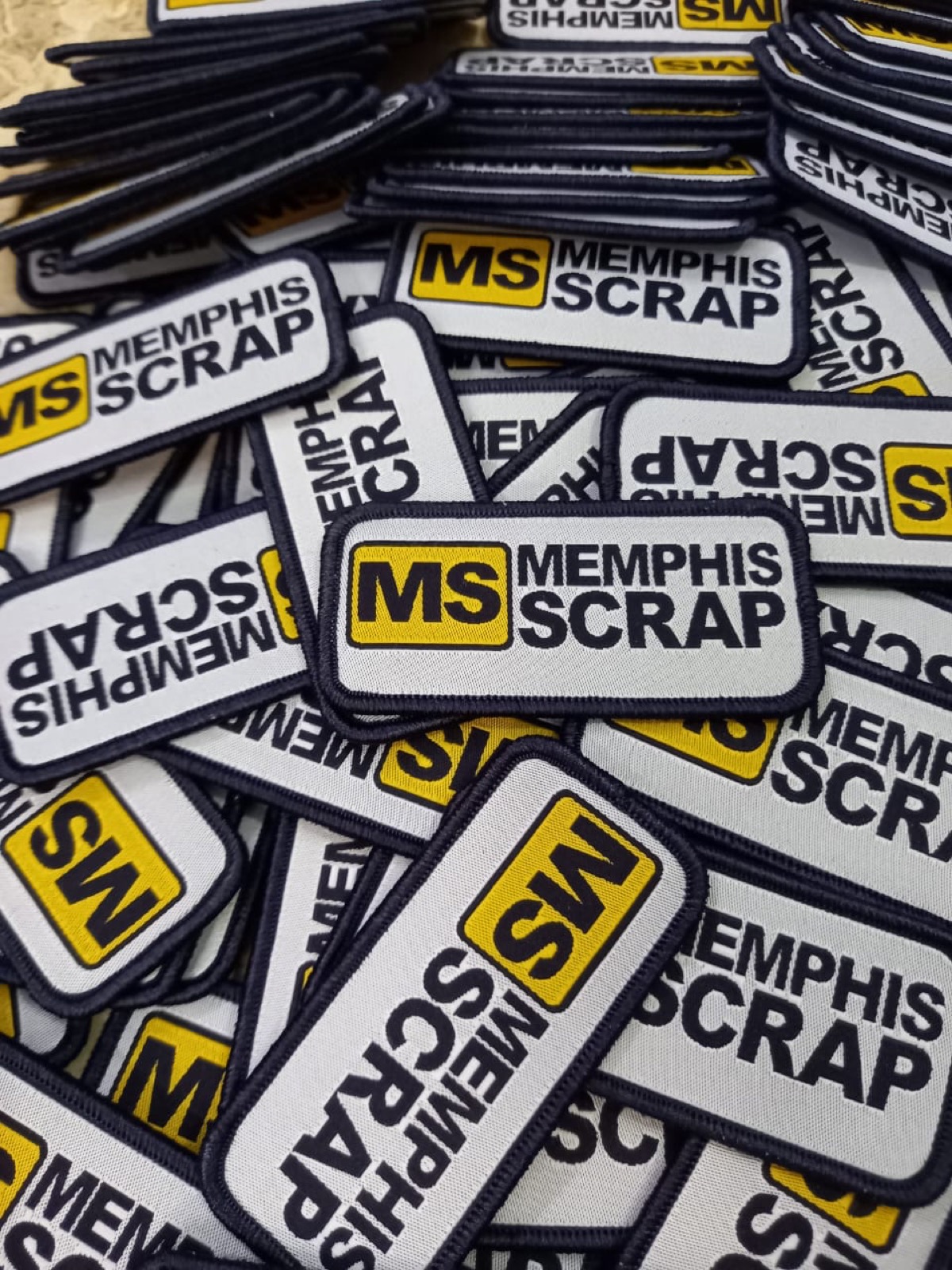
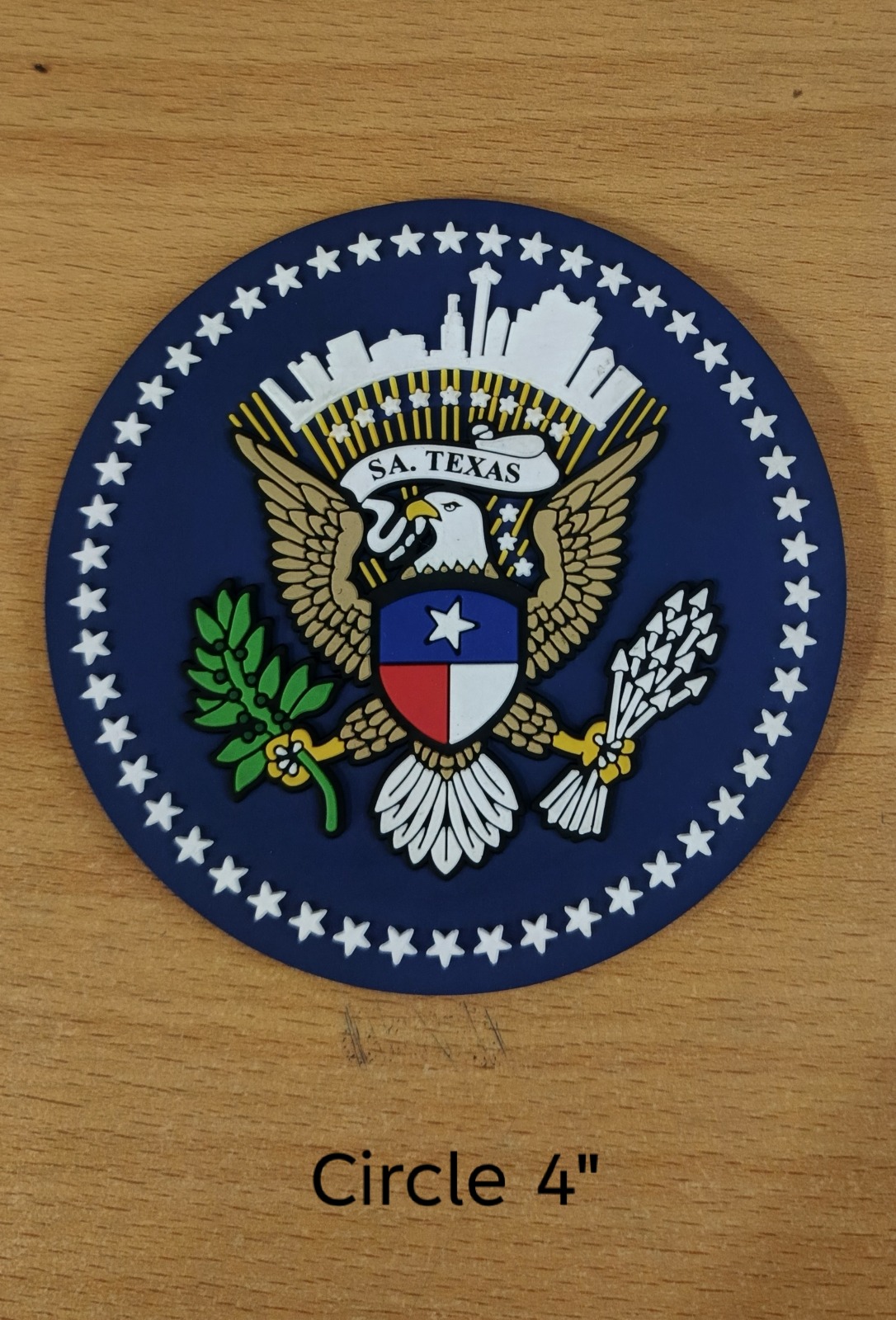
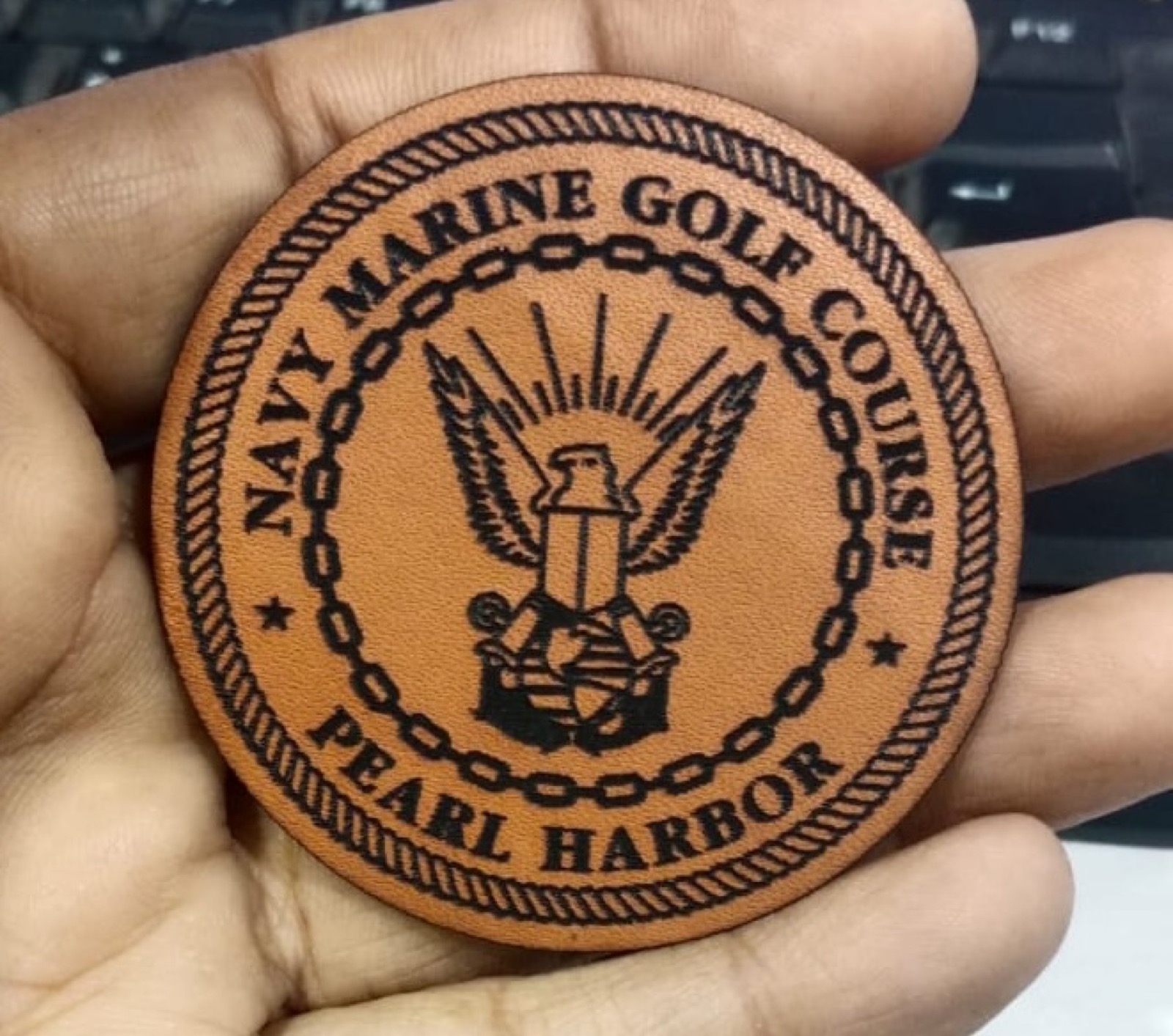
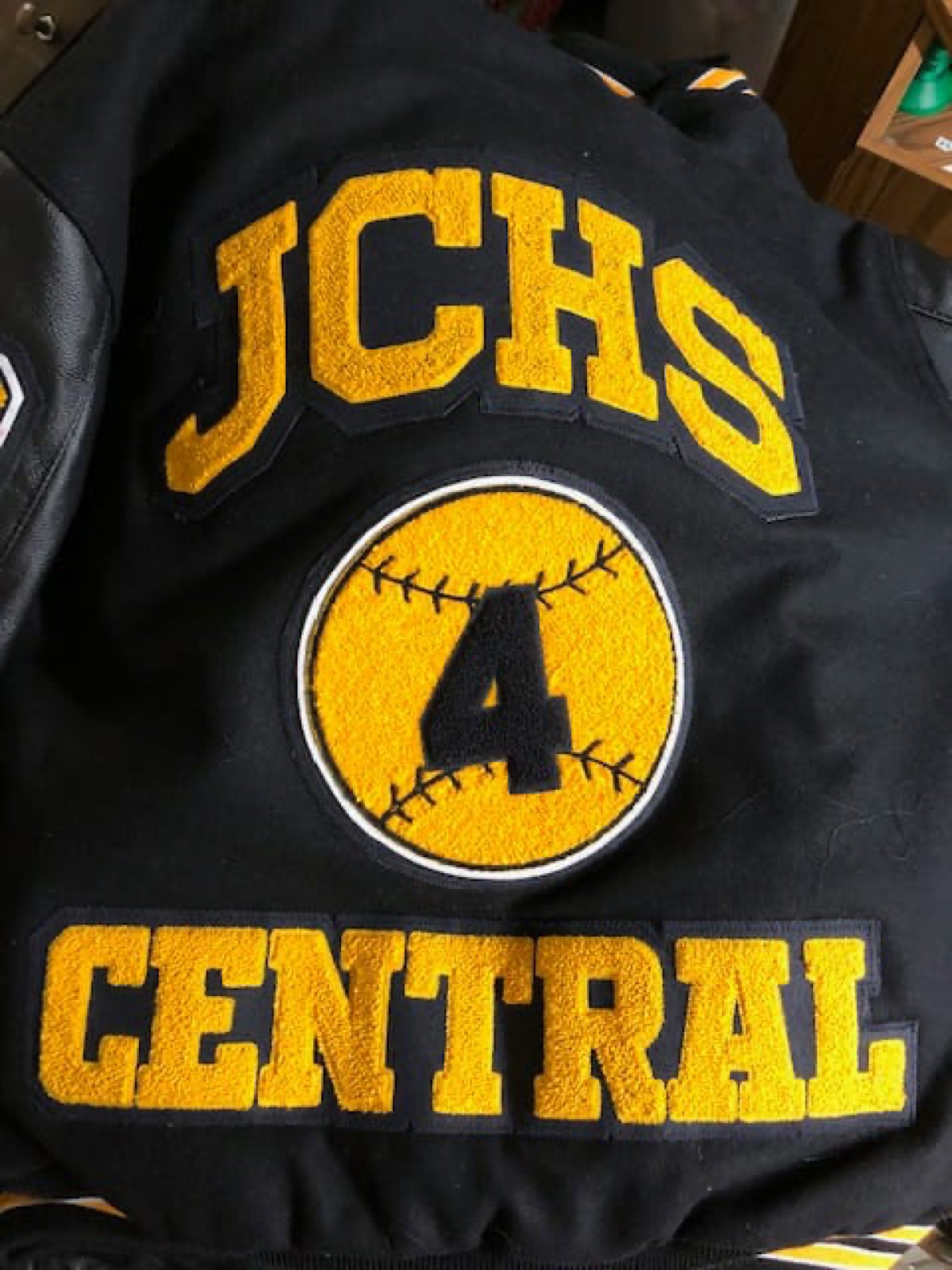
Embroidered patches have visible thread texture. Woven patches use finer woven detail. PVC has a molded rubber-like feel. Leather, chenille and sublimated patches offer other textures and finishes. The artwork and intended use help determine the best fit.
Size and shape
Give us the finished width and height, not just the size of the image file. A larger patch gives small text more room. Custom shapes and borders can affect production, so we review those with the artwork.
Backings explained
Sew-on patches attach with stitching. Iron-on patches use a heat-activated adhesive and need a compatible surface. Hook-and-loop works with a matching surface when you want a removable patch. Ask about compatibility before applying heat to a garment.
Border and detail
A stitched border frames the design; other edge finishes may suit a detailed outline. Tiny letters and narrow cutouts can need adjustment. We confirm what can be made at your chosen dimensions.
Loose patches or applied to apparel?
You can request loose patches or ask us to apply them to hats, jackets or other items. Application, garments and patches need to be included separately in the quote.
What affects patch pricing?
Type, dimensions, quantity, backing, edge finish, artwork preparation and application affect the total. Orders start at 25 pieces. Pricing examples are starting points for a conversation, not a guarantee for every design.
Review before production
Send your logo, quantity, dimensions, backing preference and required in-hand date. We confirm the specification and quote, then arrange the appropriate proof approval before production.